
July 13, 1863—the day that freedom came to Natchez!
On Monday, July 13, 2026, Natchez Mayor Dan Gibson proclaimed July 13 as “Julyteenth,” a day commemorating freedom for enslaved persons in Natchez with the arrival of the Union troops on July 13, 1863.
 At a ceremony taking place in front of City Hall, Mayor Gibson said, “[t]his is a very special day. Many of our citizens may not understand the significance of July 13, (but) the day is sacred in the history of our city.” KNOE News reported that Mayor Gibson’s proclamation stated that Union troops “arrived to enforce the Emancipation Proclamation, bringing freedom to thousands of enslaved men, women, and children whose descendants remain an important part of the fabric of our community today.” It was also reported that the Mayor’s proclamation acknowledged slavery as a “profound moral evil”—as it acknowledged Natchez’s participation in the slave trade. (msepiscopalian.com/julyteenth)
Natchez had been the site of the Forks of the Road slave market—established in 1833—where thousands of enslaved persons were bought and sold. After the Trans-Atlantic importation of enslaved persons was made illegal under the Act Prohibiting the Importation of Slaves (1808), slave markets like Forks of the Road continued to be important sites for slave owners to find new laborers and make money on the sale of laborers no longer necessary for their properties. Forks of the Road was said to have been the second-largest slave trading site, after New Orleans.
After Union troops occupied Natchez on July 13, 1863, nine days after the fall of Vicksburg, newly-freed black persons who had been emancipated under the Emancipation Proclamation on January 1, 1863 came to Natchez (much the same as black persons had sought refuge in Memphis after its occupation by Union forces in 1862), seeking freedom in a city now occupied by Union troops.
But that wasn’t the sole significance of the site: The Civil War had not ended, and newly-freed black men began enlisting to serve with the US Colored Troops. Some of the freedmen who were enlisting had been housed and sold at the Forks of the Road. An unidentified member of the 12th Wisconsin Infantry, stationed at Natchez in 1863, wrote this of the black men who were housed in barracks at Forks of the Road and who were enlisting to serve:
Our first quarters were in a long range of barracks used for a number of years as slave pens. Very many of the men composing the regiment had been sold in them; brought from Kentucky, Tennessee, Virginia and other slave States, in large gangs ironed, they were placed in these dungeons until a sale could be effected. These buildings were situated in outskirts of the city and owned by an Irishman, the worst secessionists in the whole country. As the position was very much exposed, we were ordered to construct barracks within the fortifications and to tear down these slave pens to obtain lumber to build them. This order was received just at evening and was hailed with the wildest enthusiasm by these men who had been chained, gagged and whipped, and suffered tortures unutterable within these same walls, and through that long night they worked with a terrible earnestness and the morning saw the slave pens of Natchez leveled to the ground, never, it is hoped to be again reconstructed. (msepiscopalian.com/barracks)
During the weekend of July 10, the National Park Service, together with Trinity Church, Natchez and Zion Chapel AME Church, invited the community to come together for a Julyteenth commemoration. Attended by local citizens as well as guests from Atlanta, Memphis, Baton Rouge and other cities, the weekend gave attendees the opportunity to reflect on Natchez’s history and its critical role during the 19th century.
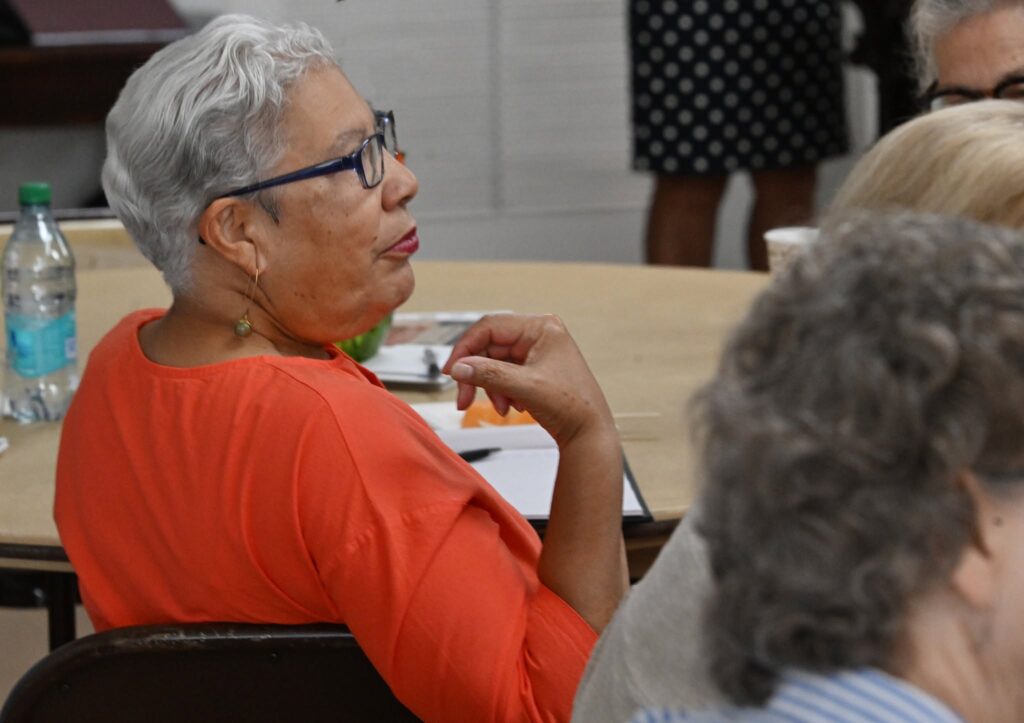
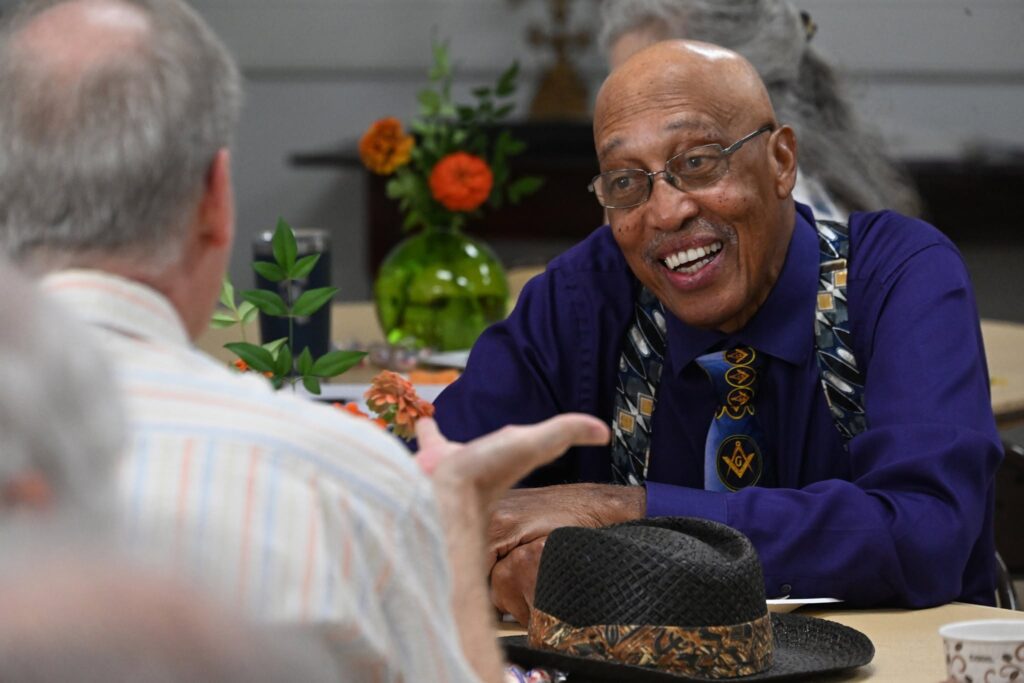
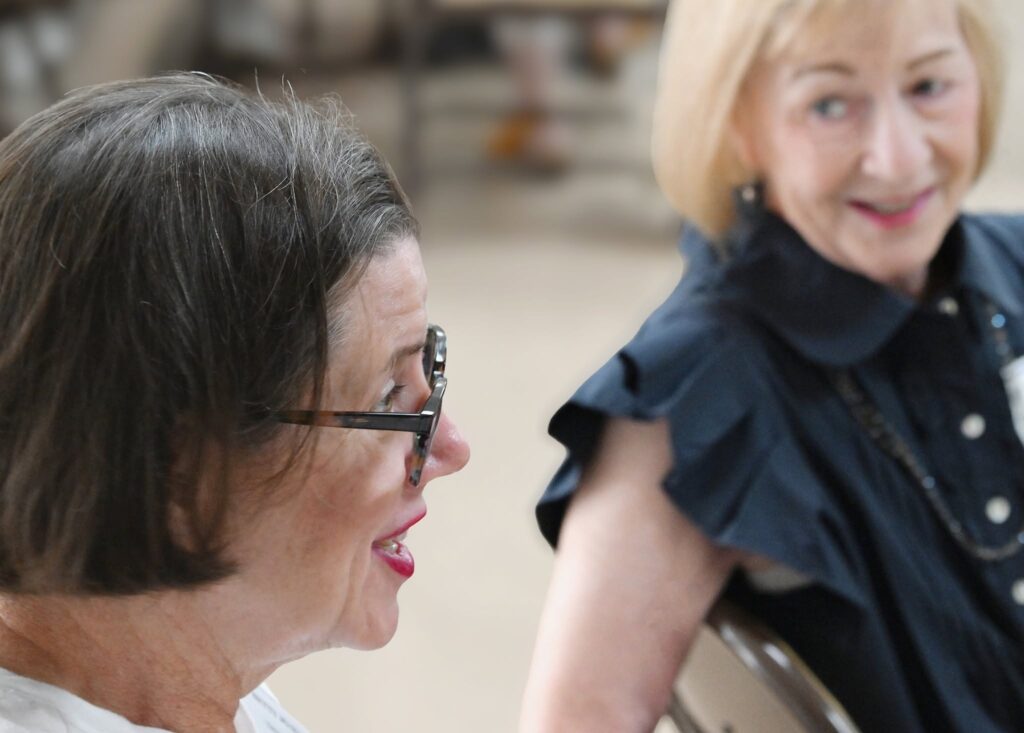
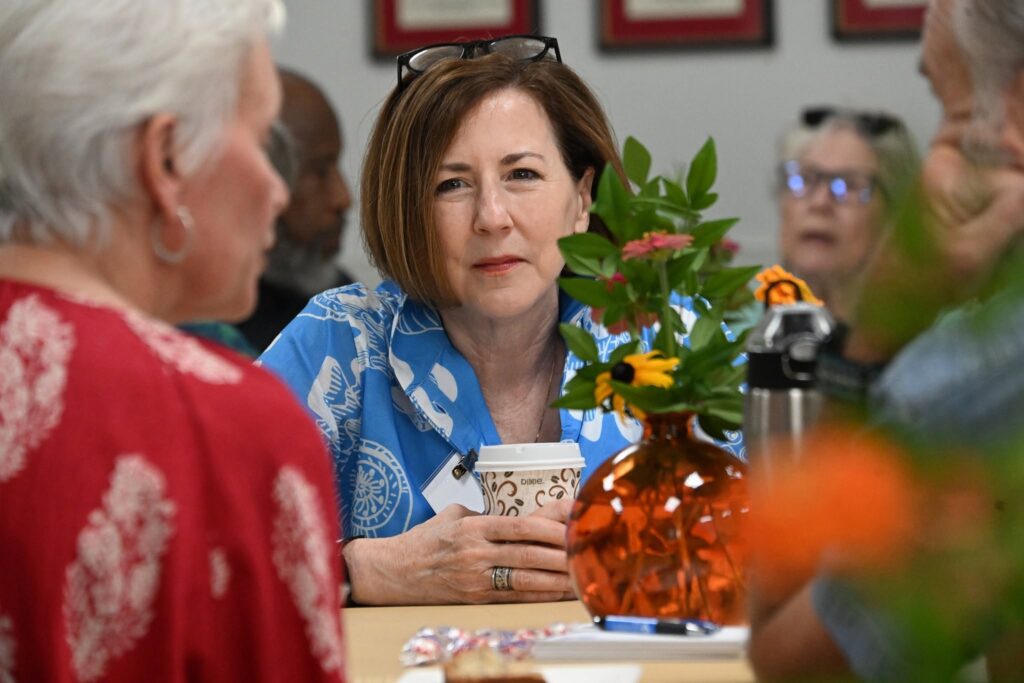
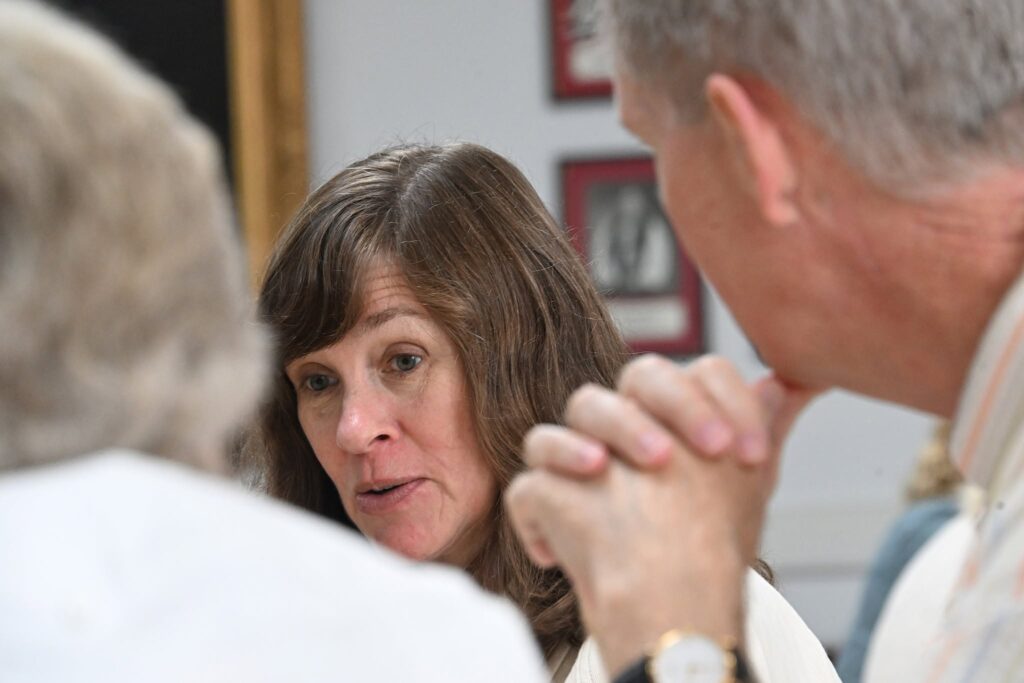
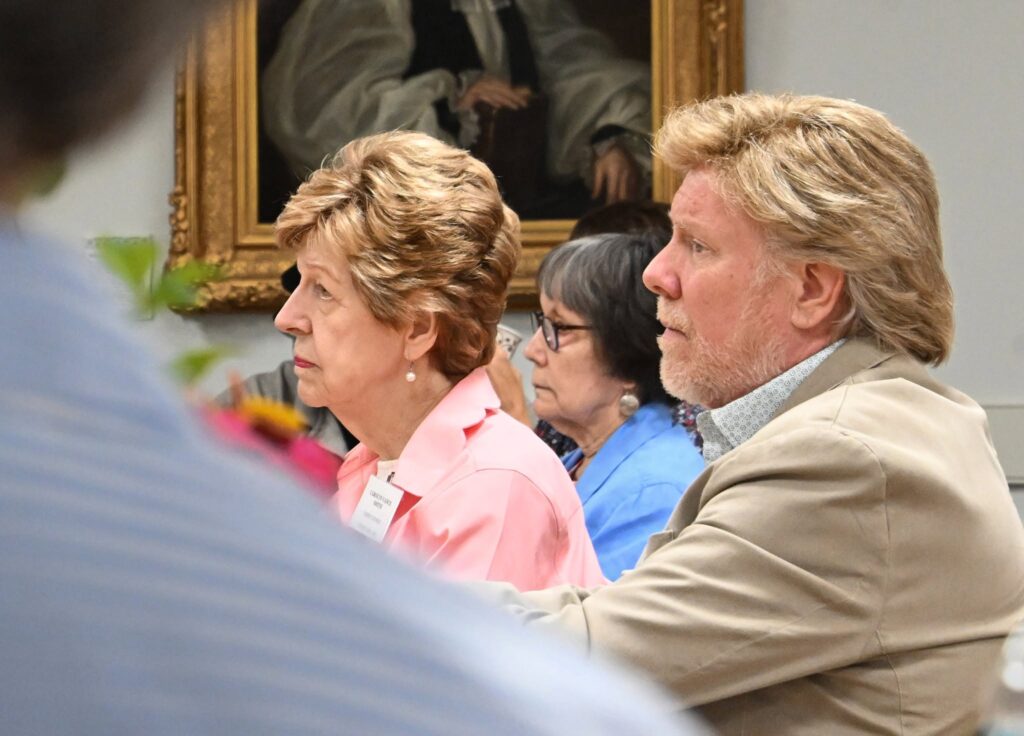
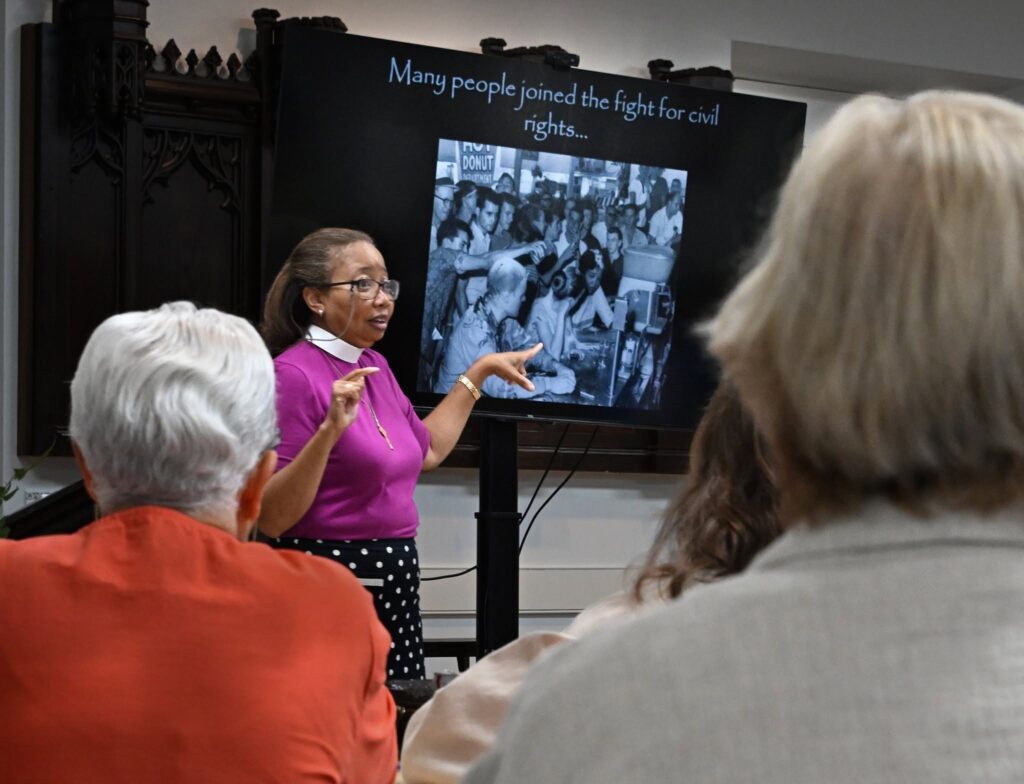
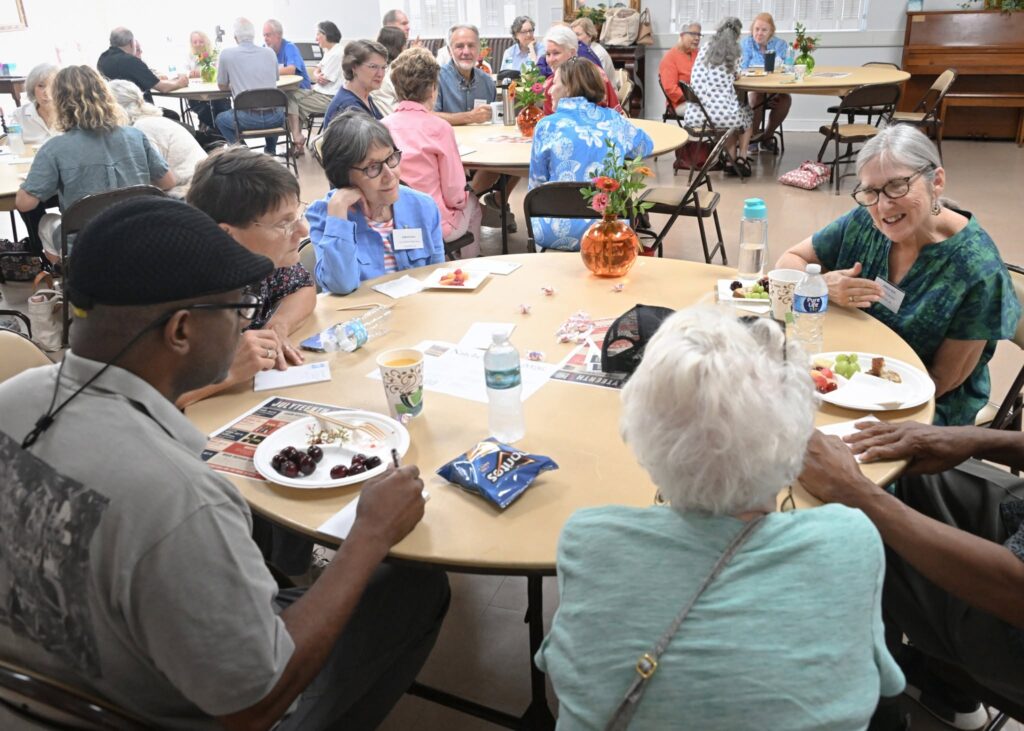
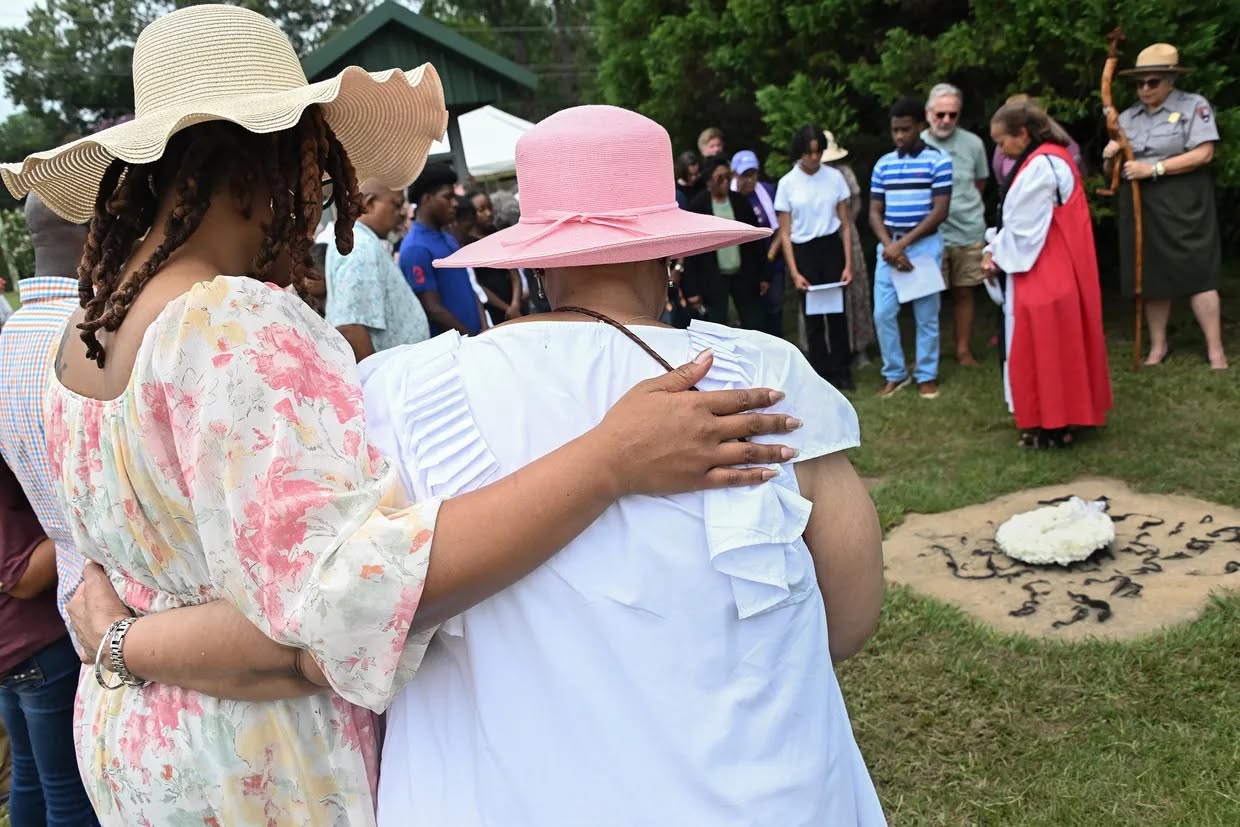
The weekend began on Friday evening, July 10, at Zion Chapel AME Church with a reenactment of a speech given by Hiram Revels, our nation’s first black Senator who represented Mississippi from 1870-71. Revels hailed from Natchez, and was a pastor serving Zion Chapel. On Saturday, Bishop Dorothy Wells offered her workshop, The History of Us, hosted at Trinity Church, with Trinity communicants extending tremendous hospitality throughout the day. And on Sunday, following Holy Eucharist at Trinity Church, the community attended a wreath-laying ceremony at the Forks of the Road site, at which Bishop Wells offered prayers for the site and the community; the site is marked by slave manacles and chains in concrete. The wreath-laying ceremony was followed by a history program by Jeff Mansell, of the National Park Service team members in Natchez, and local students giving voice to historical figures. Mayor Gibson’s proclamation followed on Monday, July 13.
At the wreath-laying ceremony, Bishop Wells’ remarks and prayers grieved the persons whose freedom had been denied for hundreds of years, as she prayed for healing and restoration of right relationship between all of God’s people.
We remember before God this day God’s children, created in God’s image and likeness, who were sold into bondage from this place.
We mourn our sisters and brothers who were enslaved, bound in chains, brought to a new and unfamiliar land, bought and sold as chattel, and who suffered hard labor and too often, inhumane conditions. We mourn the fact that among our sisters and brothers who came before us in North America are some who, for more than 250 years, took part in the slave trade, owned enslaved persons, or otherwise profited from the institution of slavery here. We grieve that our enslaved sisters and brothers were denied the very rights upon which this country was founded, and even 100 years after enslaved persons in the United States were granted their emancipation, our federal, state and local governments perpetuated laws that allowed God’s people to be treated unfairly and unequally, and that our churches and religious leaders often failed to stand with the oppressed to demand an end to oppression. To that end, even today, the lingering effects of failure to love our neighbors as ourselves have allowed poverty and disenfranchisement to engulf our sisters and brothers—particularly our neighbors of color—in underserved communities around us.
We give thanks for all the saints, of all races and faiths, who have walked before us and given their lives to secure freedom from oppression—in marches and on buses, in courtrooms and at lunch counters, in schools and places of public accommodation; we give thanks for their witness and faithfulness. We grieve the lives lost in violent acts that we have committed against one another when we have failed to see all of God’s children as being made in God’s image and likeness and entitled to God’s mercy and love—and we beg forgiveness for the moments in which we still struggle to seek and serve Christ in all persons and love our neighbors as ourselves.
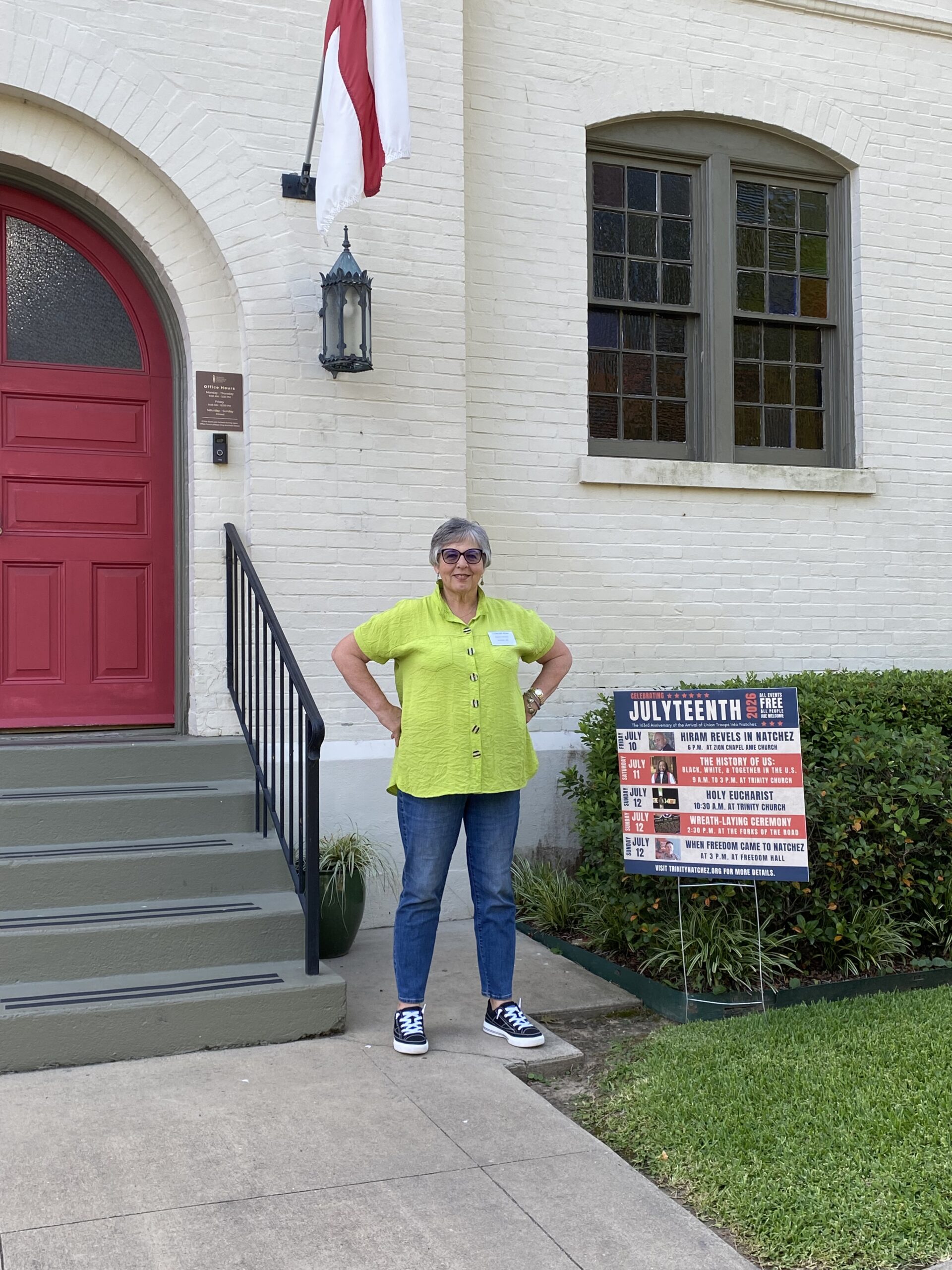
Kathleen Bond, Superintendent of the Natchez National Historical Park in Mississippi, and a communicant of Trinity Church, was hugely instrumental in bringing the Julyteenth weekend to Natchez. Bond wrote, “[t]here is no other national park that tells this story…marking the point where people arrived at the second-largest human trafficking site in the deep South during the decades leading up to the Civil War, where they were inhumanely held and examined as merchandise, where they were sold by wealthy traders in private transactions that have left few clues for their descendants.” (msepiscopalian.com/natchez-park)