
Dolly Parton: Proclaiming the Gospel
I had been in back-to-back meetings on August 25 when I happened to pick up my phone and see a text message from my older daughter: Dolly Parton had died.
The moment took my breath away. It certainly wasn’t that I didn’t know that Dolly had lived a long—and by anyone’s standards—extraordinary life. Eighty years of defying odds speaks volumes.
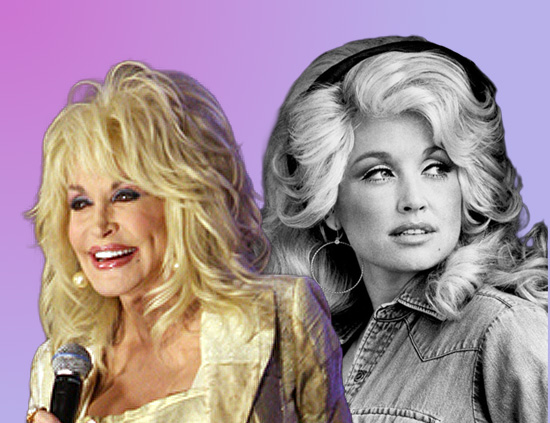
But like many of us, my daughter included, I clearly wasn’t ready for her to be gone from our earthly presence. Dolly Parton had been far more than an amazingly talented performing artist—singer, songwriter, actress. Dolly had been in so many ways a nation’s conscience: It seemed that in the moments that we most needed a shot of hope, Dolly Parton just showed up.
She showed up, giving millions of dollars in direct aid to Tennesseans following wildfires and floods—no governmental strings attached, just money to help households get their footing again.
She showed up, giving millions of dollars to Tennessee hospitals, for research and care.
She showed up, boosting sagging high school graduation rates in her home county by encouraging students to buddy together and make it through—and then helped them with funding to go on to higher education.
She showed up, ensuring that employees at her theme park had tuition and fees for college. Those employees not only had a job, but the opportunity for a future.
She showed up with an Imagination Library that brought books to millions of children, some of whom might otherwise have never had books in their homes, encouraging reading, learning and curiosity.
She showed up, encouraging all of God’s people to be loving and accepting of all of the rest of God’s people—just as we have been commanded.
And she showed up without fanfare, without drawing undue attention to herself.
As a woman who came from enormous poverty into a world where her talents could have easily been consumed by others, she stood up for herself—and for the unseen, voiceless folks around her without arrogance, without judgment, without unkindness. She was unafraid of being authentically Dolly; she never distanced herself from the life she had known, and her music bore testimony not only to the poverty but also to the love she had experienced. For some of us—certainly, including me—she was a role model.
Dolly Parton showed up—and without ever claiming to do so, proclaimed so much Good News of a loving and living God to the world around her.
And, about now, we may be wondering who will show up to fill the Dolly-sized hole that’s left as her earthly presence among us has ended.
Her departure from our earthly midst may be one of the best reminders to us all that we are all called to show up—and in all of the ways that we can, to proclaim the Good News of God’s abundant love in a love-starved world.
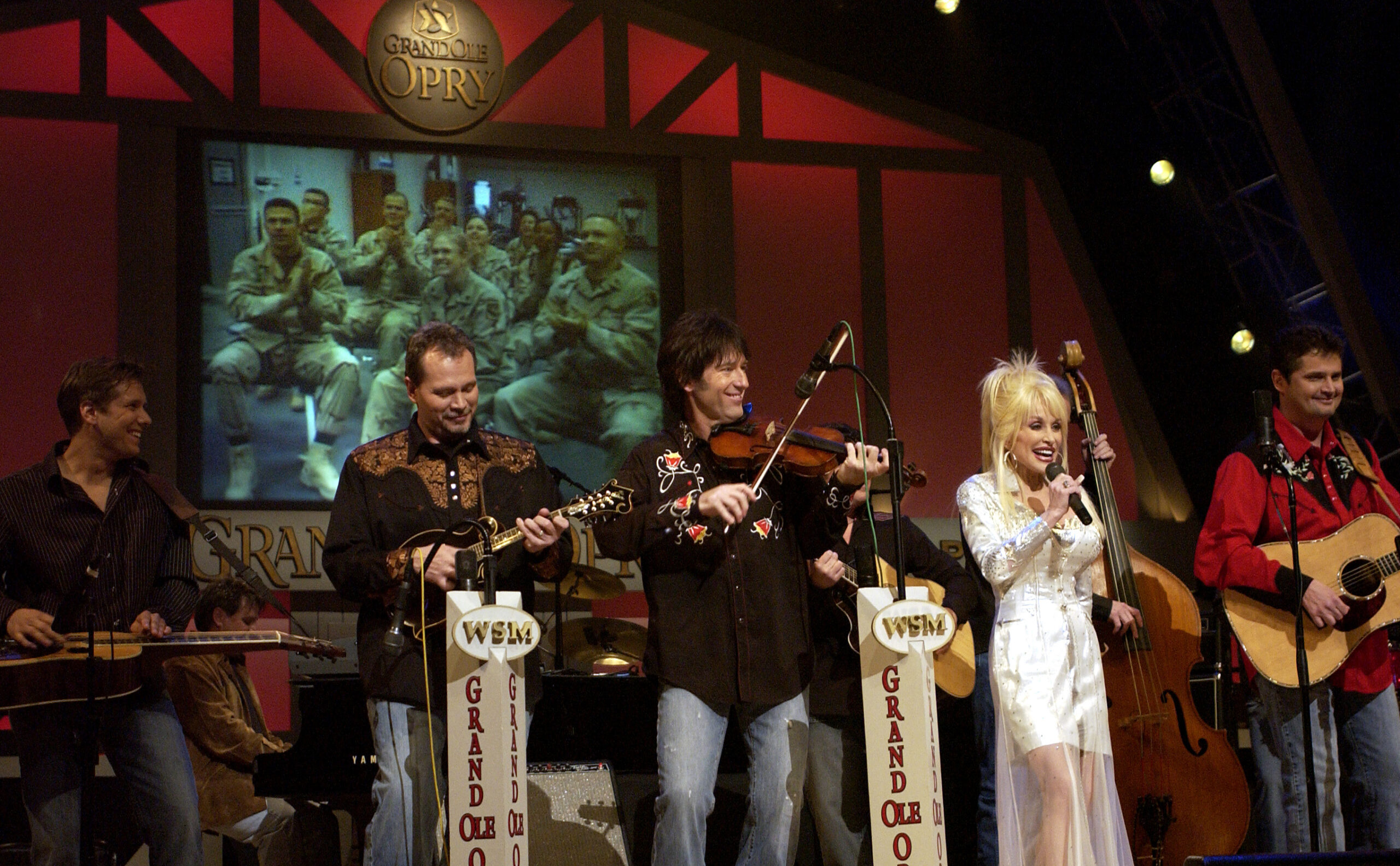
To be certain, God gives us all our own unique gifts for proclaiming the Good News: Some of us will indeed use words, as orators, teachers or writers. Some of us may have gifts of visual arts or performing arts—gifts that allow us to see God in new or unexpected ways, or experience God in profound and deeply moving ways. Some of us may have gifts in design, building and craftsmanship. Still others of us may proclaim the Good News through the act of presence, the gift of healing arts, or through random acts of kindness. No gift we have received from our loving God is insignificant or unimportant. All of our gifts are needed in the building up of God’s Kingdom. The world needs to see the love of God emanating from us through our sharing the gifts we have been given.
We promise in our baptismal covenant that with God’s help we will seek and serve Christ in all persons, love our neighbors as ourselves, respect the dignity of every human being. When we emulate these attributes of Christ in the best ways that we can, we proclaim the Good News: we speak and bear witness for the unseen and voiceless, and we advocate for neighbors who have been forgotten.
How we fill the Dolly-sized hole is to unleash the power of love in the world around us each and every day.
What could happen if we committed on September 25 (9-2-5) and every day thereafter to live and love like Dolly—to be committed to education, to health care, to offering support to our most vulnerable neighbors, to living out-loud our acceptance of all of God’s people?
Perhaps, we should just give that a try…